Wisdom from Chinese Literary and Buddhist Classics
365 Days for Travelers
9/4: KNOWING SATISFACTION
Vasubandhu,Translated into Chinese by Paramartha (499 - 569, Southern Liang Dynasty)
English translation: Zhi Yue
Those who wish to be liberated from all afflictions should contemplate on contentment. The way of contentment is where fortune, happiness, and peace reside.
Those with contentment are happy and at peace even if they are sleeping on the ground, while those without contentment are unsatisfied even if they are in paradise.
Those with contentment are wealthy even if they are poor, while those without contentment are bound by the five desires* and pitied by those with contentment.
── from Yijiao Jing Lun
(Treatise on the Teachings Bequeathed by the Buddha Sutra)
VERSE OF AVALOKITESVARA BODHISATTVA’S VOWS
Translated into Chinese by Amoghavajra (705 - 774, Tang Dynasty)English translation: Fo Guang Shan International Translation Center
Homage to the Avalokitesvara Bodhisattva of Great Compassion!
May I quickly realize all teachings;
May I soon attain the wisdom eye.
May I quickly liberate all living beings;
May I soon attain excellent skillful means.
May I quickly board the boat of prajna wisdom;
May I soon cross over the sea of suffering.
May I quickly attain morality, meditative concentration, and wisdom;
May I soon ascend the mountain of nirvana.
May I quickly realize emptiness as a refuge;
May I soon be equal to the Dharmakaya.
If I encounter a mountain of knives, the mountain of knives shall break.
If I encounter boiling current, the boiling current shall dry up.
If I encounter hell, hell shall vanish and dissipate.
If I encounter the hungry ghosts, the hungry ghosts shall become satiated.
If I encounter asuras, their hatred shall subside.
If I encounter animals, they shall attain great wisdom.
── from Qianshou Qianyan Guanshiyin Pusa Dabeixin Tuoluoni
(Great Compassion Dharani of the Thousand-Handed and Thousand-Eyed
Avalokitesvara Bodhisattva)
* The five desires arise from attachment to the objects of eyes, ears, nose, tongue, and body.
What's New?
SEPTEMBER

Humble Table, Wise Fare
INSPIRATION
Recorded by Leann Moore
Be like pines and cypress—
they can endure trials.
Be like organs and their senses—
each has its own duty.
Be like the blind and the lame—
they can help each other.
Be like the saints and sages—
they do not slight beginners.



Dharma Instruments
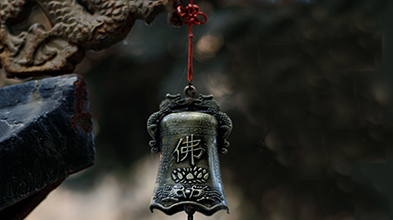
Venerable Master Hsing Yun grants voices to the objects of daily monastic life to tell their stories in this collection of first-person narratives.

Sutra of the Month
The Heart Sutra is a short sutra, commonly chanted individually or in groups, that contains the core teachings on prajnaparamita, or the “perfection of wisdom.” The sutra is short, at only 260 Chinese characters. Included is an English translation of the sutra’s meaning, followed by the Chinese characters and their pronunciation

Newsletter
What is happening at Hsingyun.org this month? Send us your email, and we will make sure you never miss a thing!